The Ultimate Guide to Lawn Care SEO: Everything You Need to Succeed in 2026
A complete, plain English playbook for ranking your lawn care company on Google in 2026, from Google Business Profile to on-page copy, reviews, and links.

If you own a lawn care company, SEO is not a mystery, it is a checklist. In 2026, the companies winning the local map pack and the organic results are not the ones with the biggest ad budgets. They are the ones who show up complete, consistent, and credible everywhere Google looks. This guide walks you through every part of that checklist in the order we do it for our clients, so you can either follow it yourself or know exactly what to ask for when you hire help.
What is lawn care SEO?
SEO for a lawn care business is the ongoing work of making it easy for Google to understand three things: who you are, what you do, and where you do it. When those three signals line up across your website, your Google Business Profile, and the rest of the web, Google rewards you with visibility on the exact searches that put money in your bank account, like lawn mowing near me, fertilization service, or aeration company in your city.
1. Start with your Google Business Profile
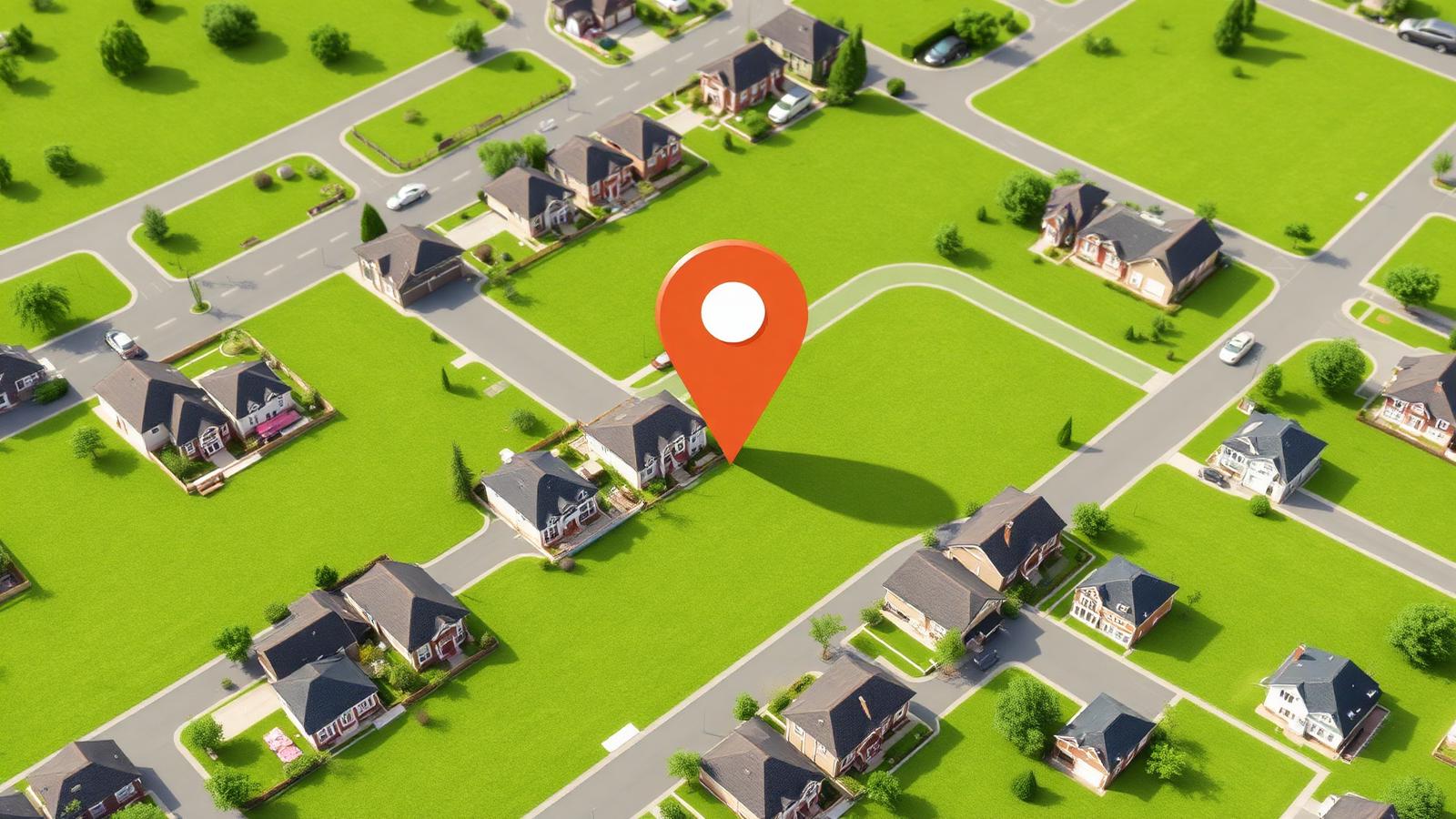
Your Google Business Profile is the single highest leverage SEO asset you have. It is free, it shows up above the regular search results on mobile, and it drives the calls that fill your route. Claim it, verify it, and fill in every field. Choose Lawn Care Service as your primary category, add secondary categories like Landscaper and Fertilizer Supplier only if you truly offer those services, and set a realistic service area by city, not by radius.
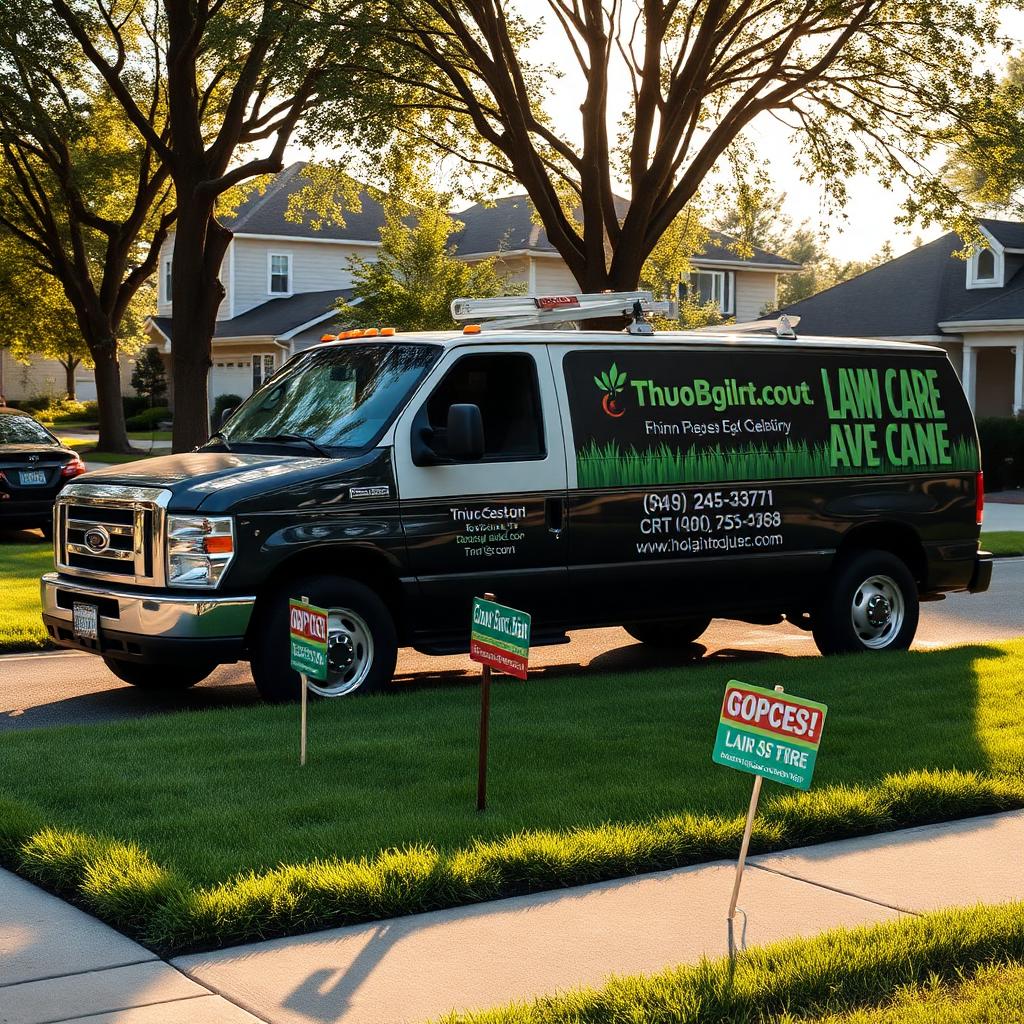
- Add at least fifteen real photos of your crew, trucks, and finished lawns.
- Post a weekly update with a before and after or a seasonal tip.
- Enable messaging and respond within an hour during business hours.
- List every service as a separate service item with a short description.
2. Build a real website, not a one page brochure
Google needs pages to rank. A one page site with a hero image and a phone number cannot compete in 2026. At a minimum you need a homepage, an about page, a contact page, and a separate page for every service you offer. Each service page should be at least four hundred words, written for a homeowner, and structured with clear headings, a short intro, the benefits, what is included, and a call to action.
3. Create a page for every city you serve
Location pages are the fastest way to expand your organic reach. If you serve six towns, you need six location pages, each with unique content about that specific town. Do not copy and paste the same paragraph with the city name swapped in. That is the fastest way to look thin to Google. Instead, mention landmarks, neighborhoods, common grass types in that area, and jobs you have done there.
4. Get on-page basics right
Every page needs a unique title tag under sixty characters, a meta description under one hundred sixty characters, a single H1 that matches the search intent, and internal links to related services and locations. Images need descriptive alt text. The URL should be short and readable, like /services/fertilization, not /page-id-2384.
5. Reviews are ranking factors, not just social proof
Google uses the quantity, quality, recency, and keyword density of your reviews to decide where to rank you in the map pack. Ask every happy customer for a review by text the same day you finish the job. Reply to every review, positive or negative, within twenty four hours. Companies with a hundred plus reviews and a steady flow of new ones almost always outrank companies with better websites but fewer reviews.
6. Local citations and NAP consistency
Your Name, Address, and Phone number need to match exactly across the web. Yelp, Angi, Nextdoor, Facebook, the local Chamber of Commerce, industry directories like LawnStarter and Lawn Love, and your Google Business Profile all need identical information. Inconsistent listings confuse Google and dilute your ranking authority.
7. Backlinks from real local businesses
You do not need thousands of links. You need ten to twenty good ones from local sources that Google trusts. Sponsor a Little League team and get a link from their site. Get listed on your local Chamber of Commerce. Trade links with a complementary contractor, like a tree service or an irrigation company. Skip the sketchy overseas link packages, they will hurt more than they help.
8. Content that answers real homeowner questions
A blog is not required, but if you commit to publishing one useful article per month answering a common homeowner question (When should I aerate? How often should I water? Why is my grass yellow?), you will pick up long tail traffic that competitors ignore. Each post becomes an evergreen asset that keeps bringing leads for years.
9. Track what matters
Install Google Search Console and Google Analytics, then look at three numbers each month: impressions in Search Console (are more people seeing you?), clicks (are they clicking through?), and calls and form fills (are they converting?). Everything else is noise.
10. Be patient, then compound
Local SEO is not instant. Expect three to six months to see real movement, and twelve months to dominate a market. The good news is that once you rank, you keep ranking as long as you keep the basics fresh. That is the compounding return that makes SEO the single best marketing investment a lawn care company can make.
What is the short version?
Fill out your Google Business Profile completely, build a real website with service pages and location pages, collect reviews relentlessly, keep your listings consistent, earn a handful of local links, publish one helpful article a month, and give it a year. Do that and you will win your market. If you want a website built for exactly this playbook, that is what we do.
Want a website that puts these ideas to work?
We design and launch premium websites for lawn care companies in about two weeks, for one flat monthly fee. Hosting, SEO and edits included.
Book a free call →